Leonardo da Vinci
1452 - 1519, Italian
BIOGRAPHY
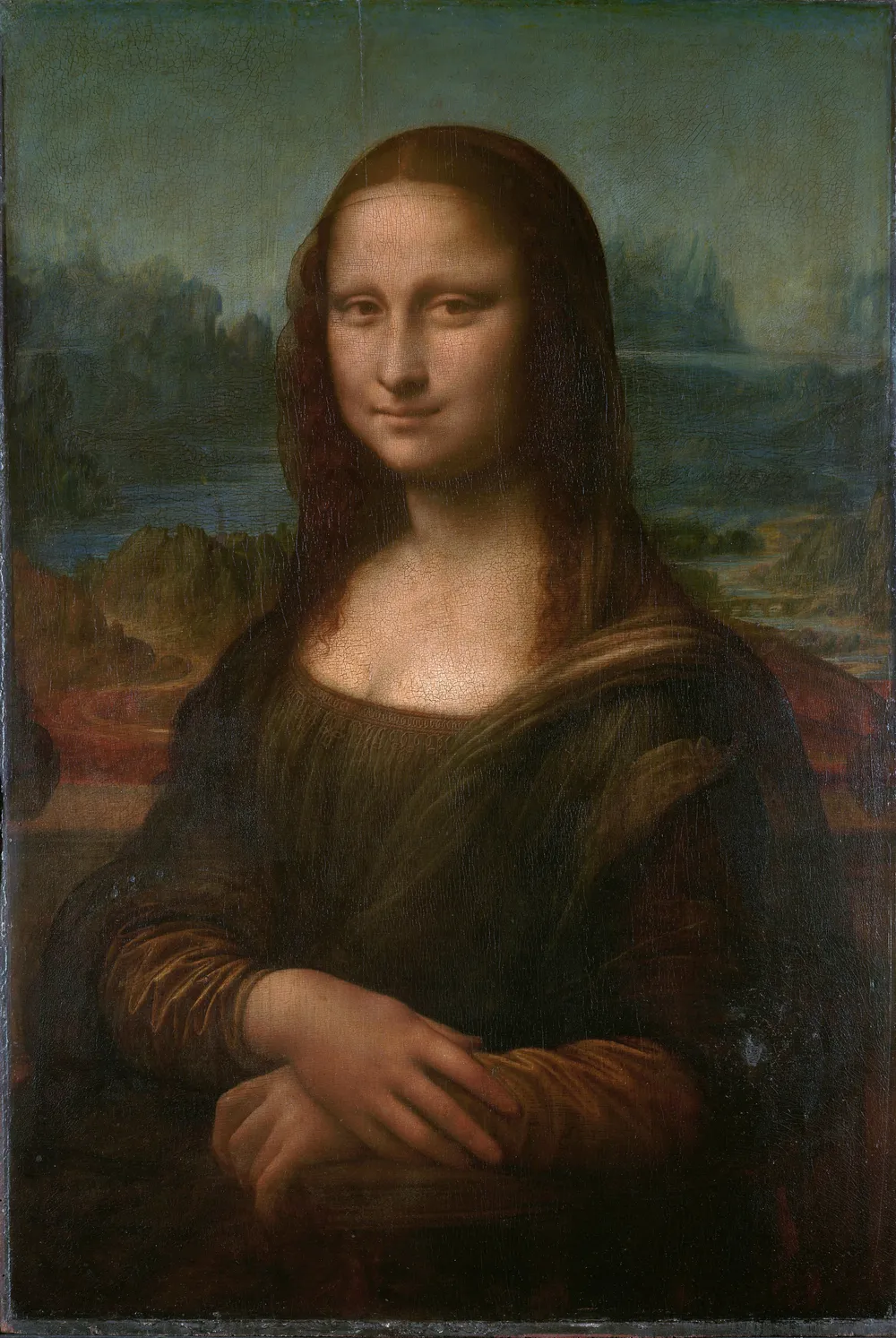
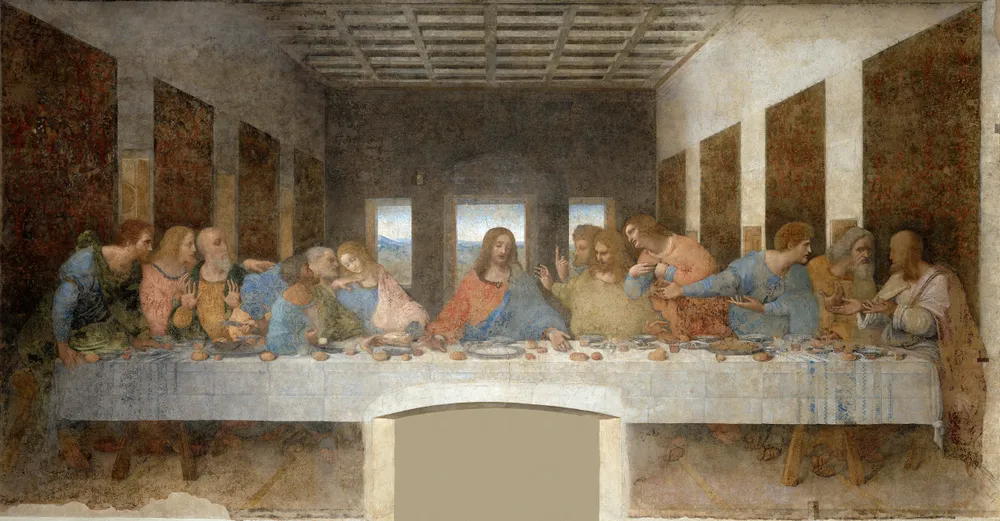
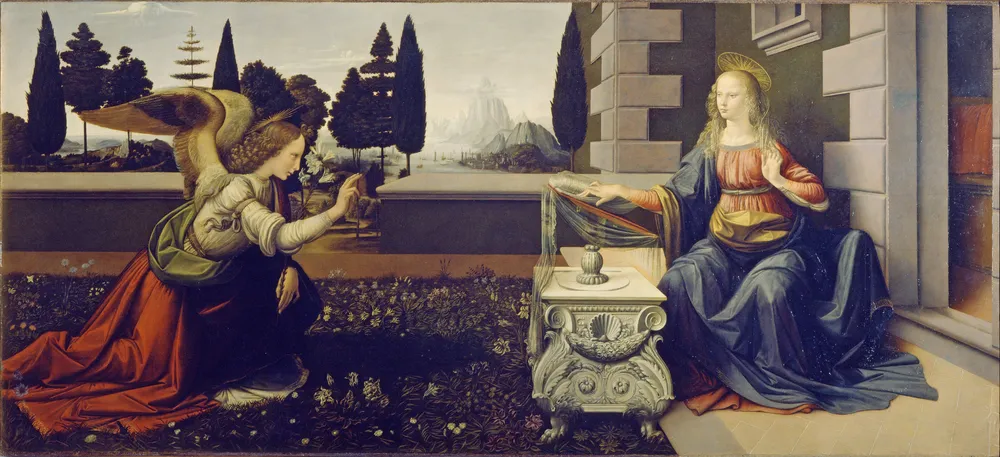
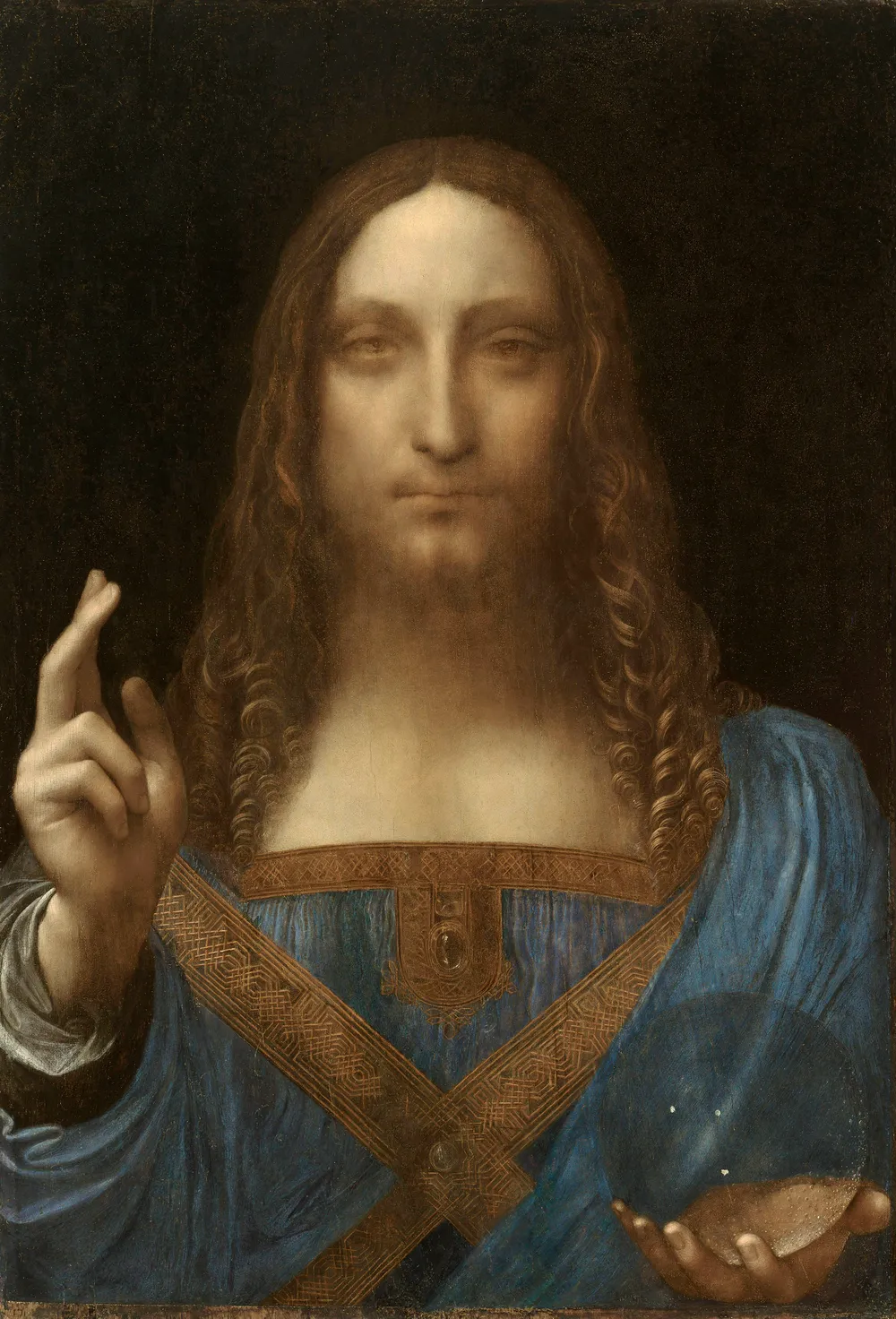
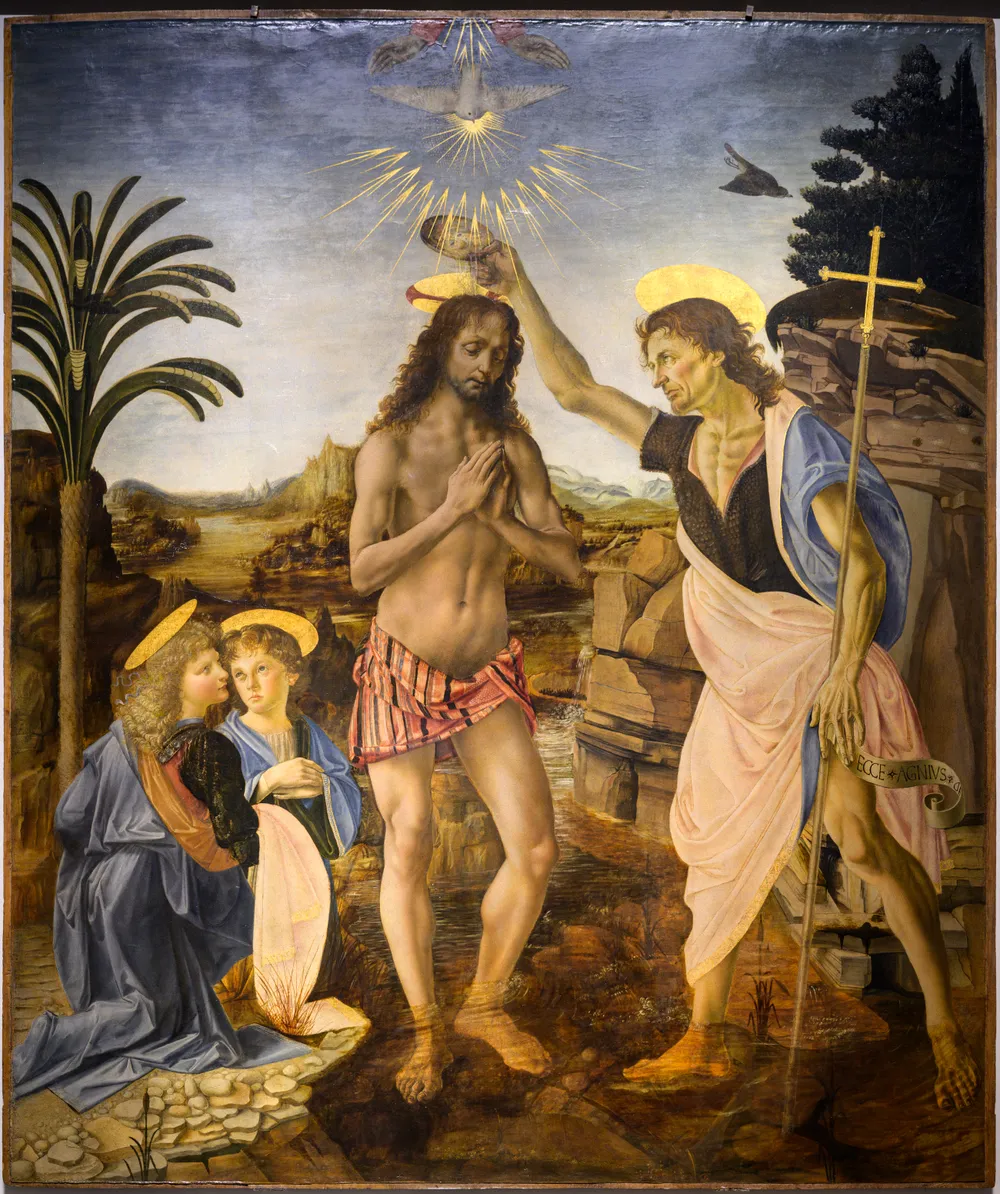
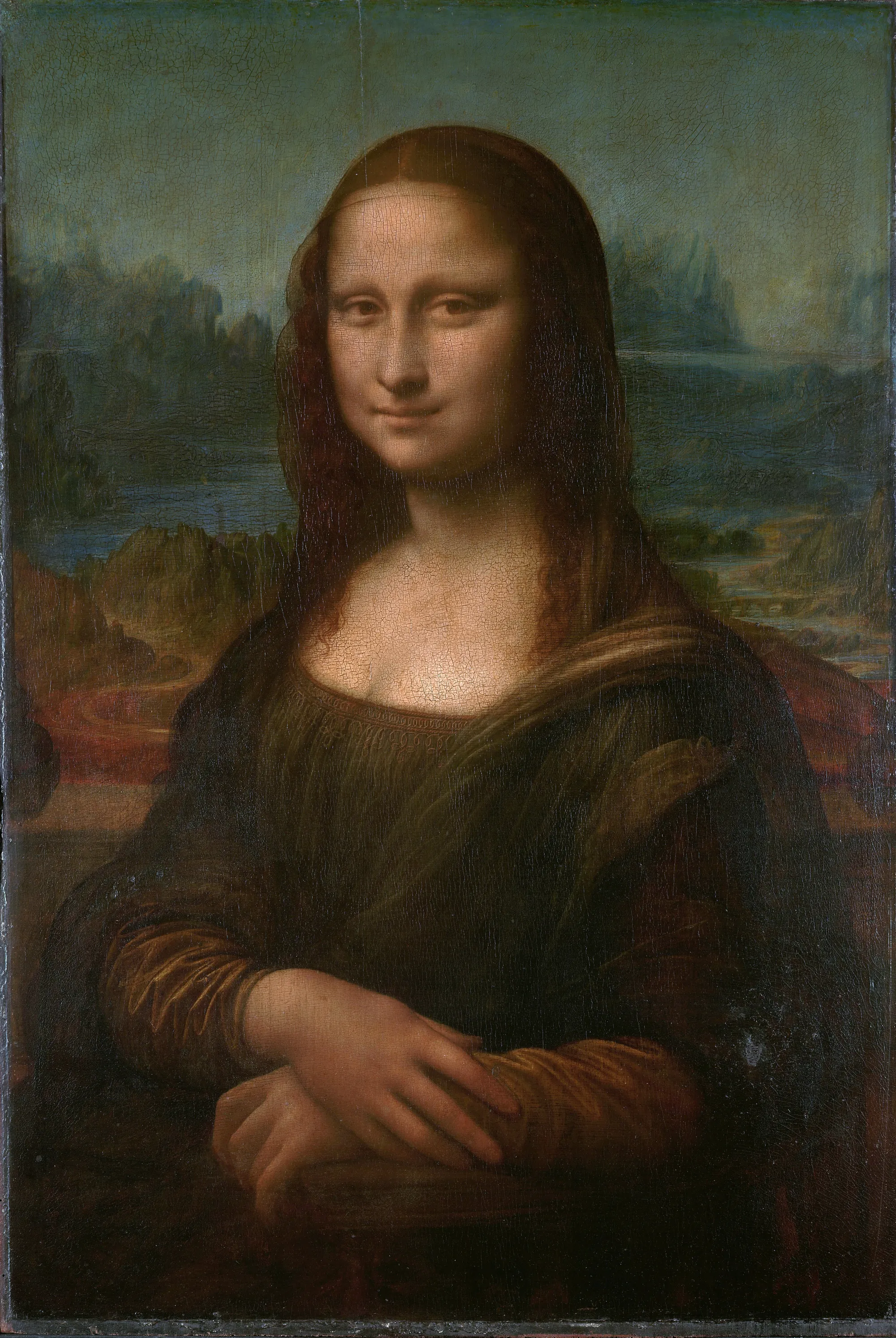
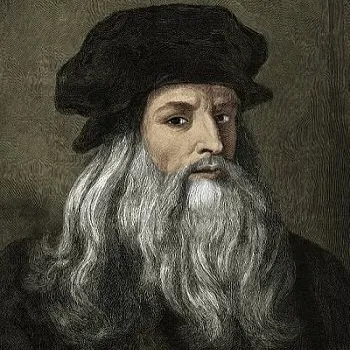
Leonardo da Vinci (1452–1519) was an Italian polymath whose brilliance spanned art, science, engineering, anatomy, architecture, and invention. Born on April 15, 1452, in the Tuscan town of Vinci, he was the illegitimate son of Ser Piero da Vinci, a notary, and Caterina, a peasant woman. Despite his informal status, Leonardo received a solid artistic and technical education after being apprenticed at around age 14 to Andrea del Verrocchio in Florence. Under Verrocchio, he learned painting, sculpture, mechanics, metalworking, and drafting, skills that laid the foundation for his multidisciplinary achievements. Leonardo’s early works already showed exceptional observational ability and mastery of technique. His “Annunciation” and contribution to Verrocchio’s “Baptism of Christ” highlighted his innovative use of light, shadow, and naturalism. By the 1480s, Leonardo accepted a position in Milan under Duke Ludovico Sforza. There he produced some of his most celebrated works, including “The Last Supper,” a mural that revolutionized narrative composition and emotional expression. During his Milanese years, Leonardo also designed military machines, hydraulic systems, architectural projects, and theatrical devices. His notebooks reveal a mind constantly exploring the mechanics of nature. He dissected human and animal bodies to understand anatomy with unprecedented accuracy, producing studies of muscles, organs, and embryonic development. He investigated optics, flight, geology, and the movement of water. Though many of his engineering designs—such as flying machines, armored vehicles, and automated mechanisms—were never built during his lifetime, they demonstrated astonishing foresight and mechanical ingenuity. After Milan fell to invading forces in 1499, Leonardo traveled through Italy, working in Mantua, Venice, and Florence. During this period he began the “Mona Lisa,” perhaps the most famous painting in the world, noted for its subtle modeling, enigmatic expression, and pioneering technique of soft transitions known as sfumato. He also produced significant scientific texts and anatomical drawings, including studies of the human skull and cardiovascular system. Leonardo returned to Milan in 1506, working under French rule and continuing both artistic and scientific pursuits. In his later years, invited by King Francis I of France, he moved to the Château du Clos Lucé near Amboise. There he served as “Premier Painter and Engineer” to the king, focusing more on engineering, architecture, and scientific study than painting. Leonardo died on May 2, 1519, leaving behind thousands of pages of sketches and notes. Although only a relatively small number of his paintings survive, his legacy is immense. His ability to fuse art and science, his method of direct observation, and his visionary imagination have made him an enduring symbol of the Renaissance ideal of the universal genius.